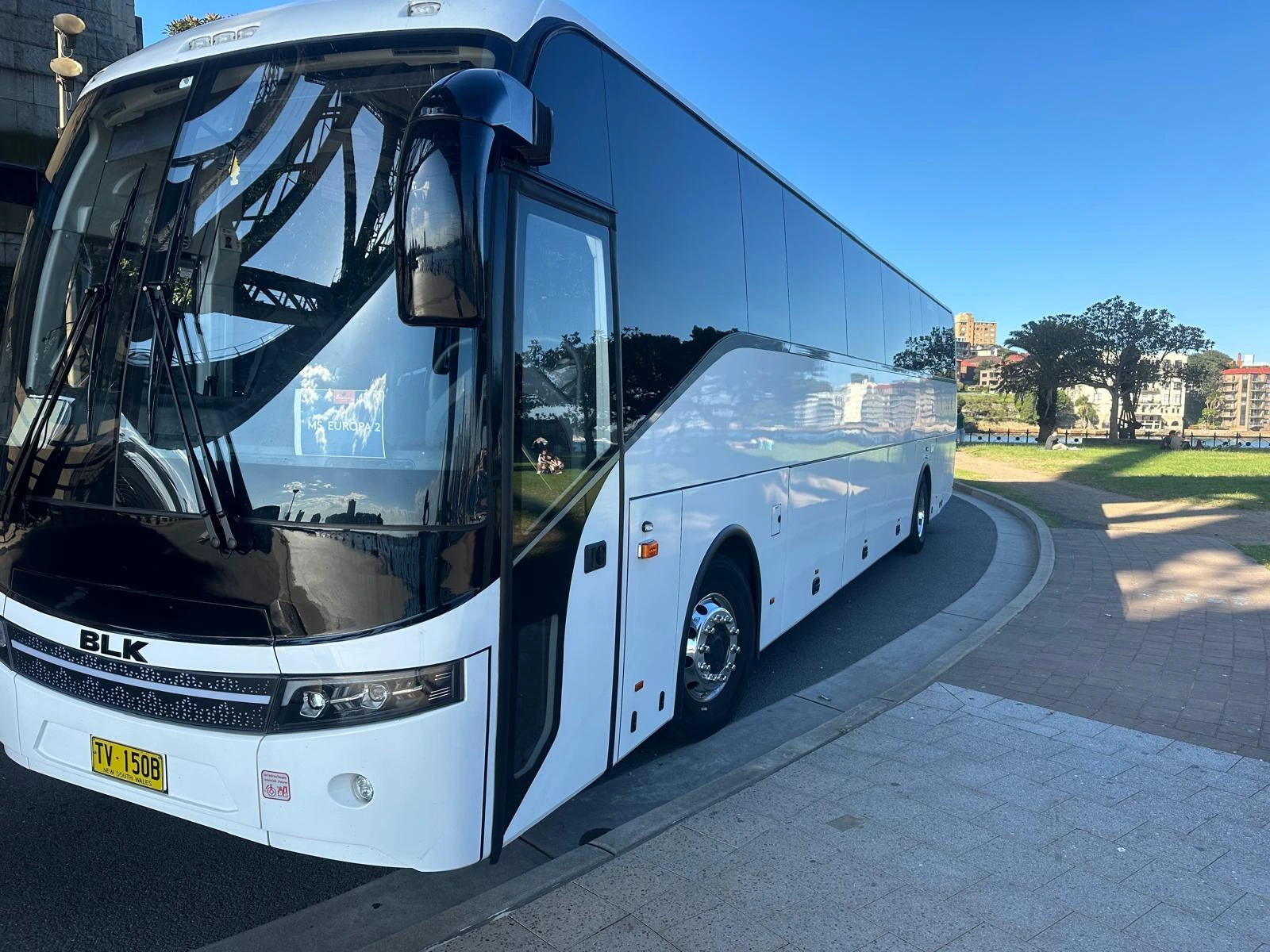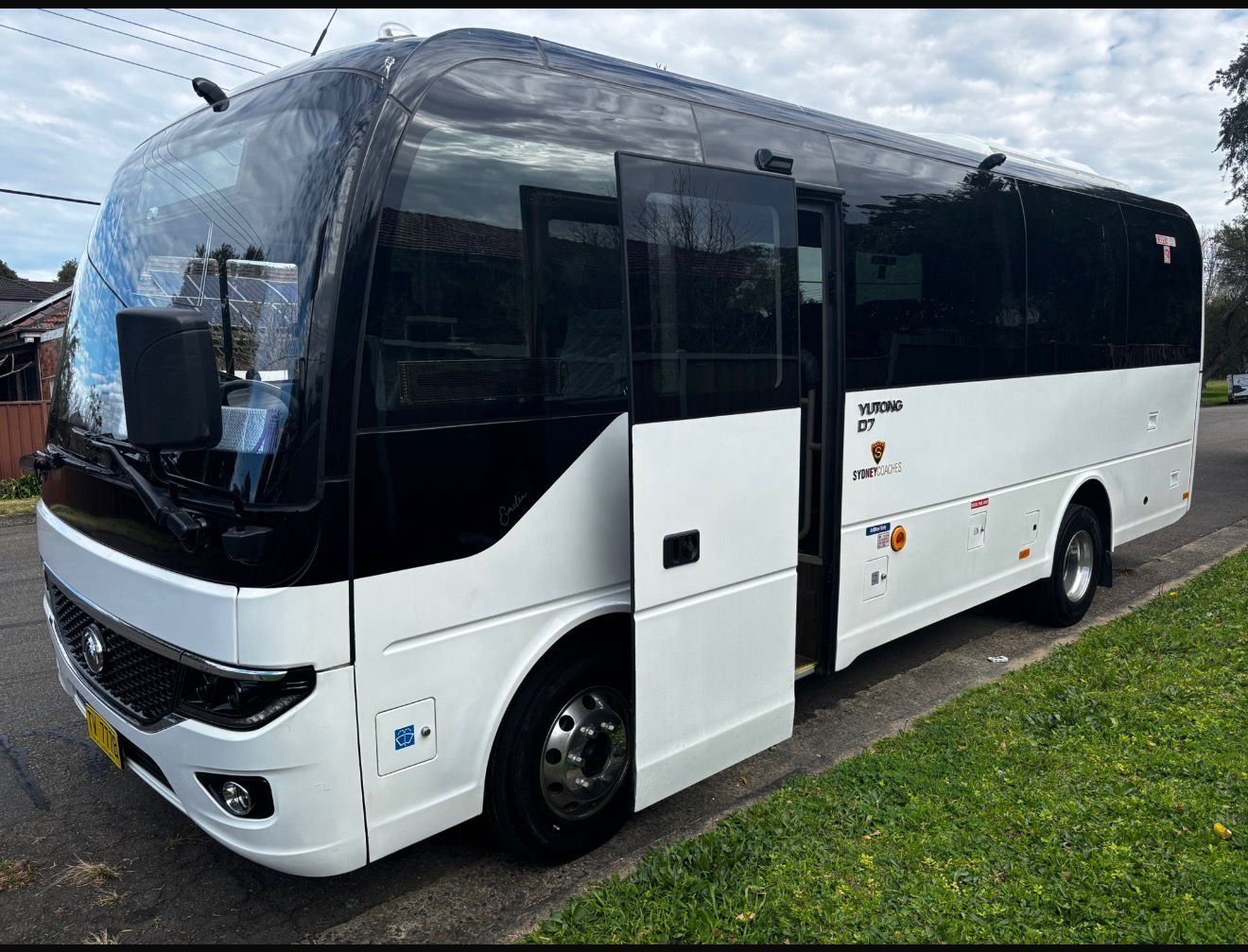
Responsibility on a charter is not held by one party. A NSW charter operator carries duties set by Transport for NSW accreditation, by the Driver Authority regime and by the heavy vehicle fatigue rules. A group organiser carries separate duties under its own policies, and for NSW government schools those are written down. Insurance sits behind both as a payment mechanism, not as an allocation of duty. Who bears responsibility for a specific incident is decided on the facts, not by an article.
This article is not legal advice. It sets out what published rules require of each party and what a considered organiser records. If an incident has occurred, or if you need to know how liability would fall in your circumstances, get advice from a qualified professional.
Duties that sit with the operator
Three named instruments put obligations on the operator side, and all three are things you can ask about before you book.
Accreditation. Bus operator accreditation is issued by Transport for NSW and is assessed against good repute, financial viability, passenger and public safety, and depot and maintenance capacity. It is a standing regulatory obligation about how the business runs, including how vehicles are maintained.
Driver credentials. A Bus Driver Authority is required to drive a public passenger bus or coach seating 13 or more. It requires a commercial medical, a National Police Check, an approved training course and a fit and proper assessment, is valid for three years, and carries annual medical requirements for drivers over 60 and for drivers with certain conditions.
Fatigue. A commercial charter in NSW sits inside the heavy vehicle fatigue regime, because the NSW exemption for fatigue-regulated buses does not apply where the bus is driven to provide a public passenger service, and a charter service is a public passenger service. Work and rest limits therefore constrain how long a driver can be rostered, and those limits are not negotiable by agreement with a client.
You can see the accreditation and operating details Sydney Buses publishes, including its NSW accreditation number, 43397, and its depot at 74 Edinburgh Rd, Marrickville.
Two places the rules deliberately do not put a duty on the driver
This is where assumptions cause the most trouble, and both points are specific to NSW.
Adult seatbelt wearing. On a coach fitted with seatbelts, the wearing obligation for a passenger aged 16 or over is enforceable against that passenger. The NSW driver responsibility rule, rule 264-1, expressly excludes bus passengers, so the coach driver does not commit an adult passenger’s offence.
Child restraints on a bus. The enforceable duty for passengers under 16 also sits in rule 264-1(1), which excludes bus passengers. On a vehicle with more than 12 adult seats including the driver, that duty does not attach to the driver. That is a gap in liability rather than a statement about what is safe, and it does not carry across to a twelve seat or smaller vehicle.
Read together, these two points explain something organisers often find surprising: on a coach, the person best placed to manage belts and seating is the supervising adult travelling with the group, not the driver at the front.
Duties that sit with the organiser
For a NSW government school, these are written down and specific. “Excursions and variations of routine” (PD-2005-0290-04) makes a risk assessment plan mandatory for every planned excursion, with transport an express input. Organisers must check licence and insurance, and for buses confirm licensed passenger capacity and that heavy vehicles are registered appropriately.
The same policy is equally clear about what it does not do. It sets no numeric supervision ratios for K to 12. The principal determines staffing, using average class sizes as a guide. Numeric ratios exist only for public preschools. Any source quoting departmental ratios for school-age groups is describing something the policy does not contain.
Clubs, community groups and non-government services usually carry an equivalent obligation under their own regulator or constitution. The structure is the same even when the document is different: assess the risk, check the operator, record the decision.
For school work specifically, school and excursion transport is where these questions get settled alongside the itinerary.
What insurance does and does not settle
Insurance is a financial mechanism. It responds to certain events under certain policy wordings. It does not decide who held which duty, and a certificate of currency cannot tell you how a claim would be handled, because a certificate confirms that a policy exists rather than setting out its terms.
Two practical consequences. First, collect the certificate before travel and check the insured entity matches the entity on your quote and invoice, because a mismatch usually means the job is being placed with another operator. Second, read it alongside the published terms behind a booking, since contractual terms and insurance are different documents doing different jobs.
Who holds which published duty
| Area | Where the published duty sits | Instrument |
|---|---|---|
| Vehicle maintenance and depot capacity | Operator | Transport for NSW bus operator accreditation |
| Driver medical, criminal history and training | Operator and driver | Bus Driver Authority, via Service NSW |
| Driver work and rest hours | Operator and driver | Heavy vehicle fatigue rules, as they apply to a public passenger service |
| Adult passenger seatbelt wearing | The passenger, aged 16 and over | NSW Road Rules 2014, Part 16 |
| Supervision of children on board | Organiser and accompanying adults | Organisation’s own policy; for NSW government schools, PD-2005-0290-04 |
| Excursion risk assessment | Organiser | PD-2005-0290-04 for NSW government schools |
| Confirming licensed passenger capacity | Organiser, by asking the operator | PD-2005-0290-04 |
| Financial response to an event | Insurer, under the policy | The policy, evidenced by a certificate of currency |
What to record if something happens
Whatever the eventual answer on responsibility, the quality of the record made on the day shapes everything afterwards. A short list, kept in the organiser’s folder:
- Time, date and location, as precisely as you can.
- Vehicle registration and driver name. You will already hold both if the operator sent them 24 hours before travel.
- What happened, in plain factual terms, written the same day rather than from memory later.
- Who was present, and who saw it.
- What was done immediately, including any first aid and any decision to continue or stop.
- Photographs, if they are relevant and appropriate to take.
- The time the operator was notified and by what means. Sydney Buses publishes 02 9469 6600, with office hours Monday to Friday 7am to 6pm and Saturday 8am to 2pm.
- Notification through your own organisation’s incident process, on its own timeline.
Record facts and avoid conclusions. “The passenger reported pain in the left wrist” is a fact. “The seat was faulty” is a conclusion, and it is not yours to reach in the moment.
Frequently asked questions
If a passenger is hurt on a charter bus, is the operator automatically responsible?
No. Responsibility is determined on the facts of the incident, and different parties hold different published duties before anything happens. This article maps those duties. It does not, and cannot, tell you how liability falls in a specific case.
Is the driver responsible for making sure everyone wears a seatbelt?
Not for adult passengers on a coach in NSW. The wearing obligation for passengers aged 16 and over is enforceable against the passenger, and the NSW driver responsibility rule expressly excludes bus passengers. Supervision of a group is a separate matter, and it usually belongs to the adults travelling with it.
What should a school have on file before an excursion?
Under PD-2005-0290-04, a risk assessment plan with transport as an express input, confirmation of licence and insurance, and confirmation of the vehicle’s licensed passenger capacity and appropriate heavy vehicle registration. Adding the Certificate of Accreditation and a certificate of currency makes the file complete.
Does having a certificate of currency mean we are covered?
It means a policy exists for a stated period in a stated entity’s name. It does not tell you what the policy responds to. If cover is material to your decision, ask the operator’s broker to confirm the classes of cover in writing.
Can a contract move responsibility from one party to the other?
Contract terms allocate commercial risk between the parties who sign them, and regulatory duties sit outside that. Read the terms with the quote, and take advice if the allocation matters to your organisation.
Next step
If your organisation needs the transport file to stand up, ask for our accreditation number and a certificate of currency, and tell us the group profile so we can confirm the vehicle’s licensed capacity in writing. Call 02 9469 6600 or send your date, pick-up suburb and group size and you will have a written quote back within two business hours.
Sources
- NSW Government (Transport for NSW), “Applying for bus operator accreditation”, https://www.nsw.gov.au/departments-and-agencies/transport-for-nsw/bus-operators-nsw/applying-for-bus-operator-accreditation. Accessed 7 September 2026.
- Service NSW, “Apply for a bus driver authority”, https://www.service.nsw.gov.au/transaction/apply-for-a-bus-driver-authority. Accessed 7 September 2026.
- National Heavy Vehicle Regulator, “Bus and coach driver fatigue and health and wellbeing”, https://www.nhvr.gov.au/safety-accreditation-compliance/chain-of-responsibility/regulatory-advice/bus-and-coach-driver-fatigue-and-health-and-wellbeing. Accessed 7 September 2026.
- NSW Legislation, “Road Rules 2014 (NSW), Part 16”, https://legislation.nsw.gov.au/view/whole/html/inforce/current/sl-2014-0758. Accessed 7 September 2026.
- NSW Department of Education, “Excursions and variations of routine (PD-2005-0290-04)”, https://education.nsw.gov.au/policy-library/policies/pd-2005-0290-04. Accessed 7 September 2026.