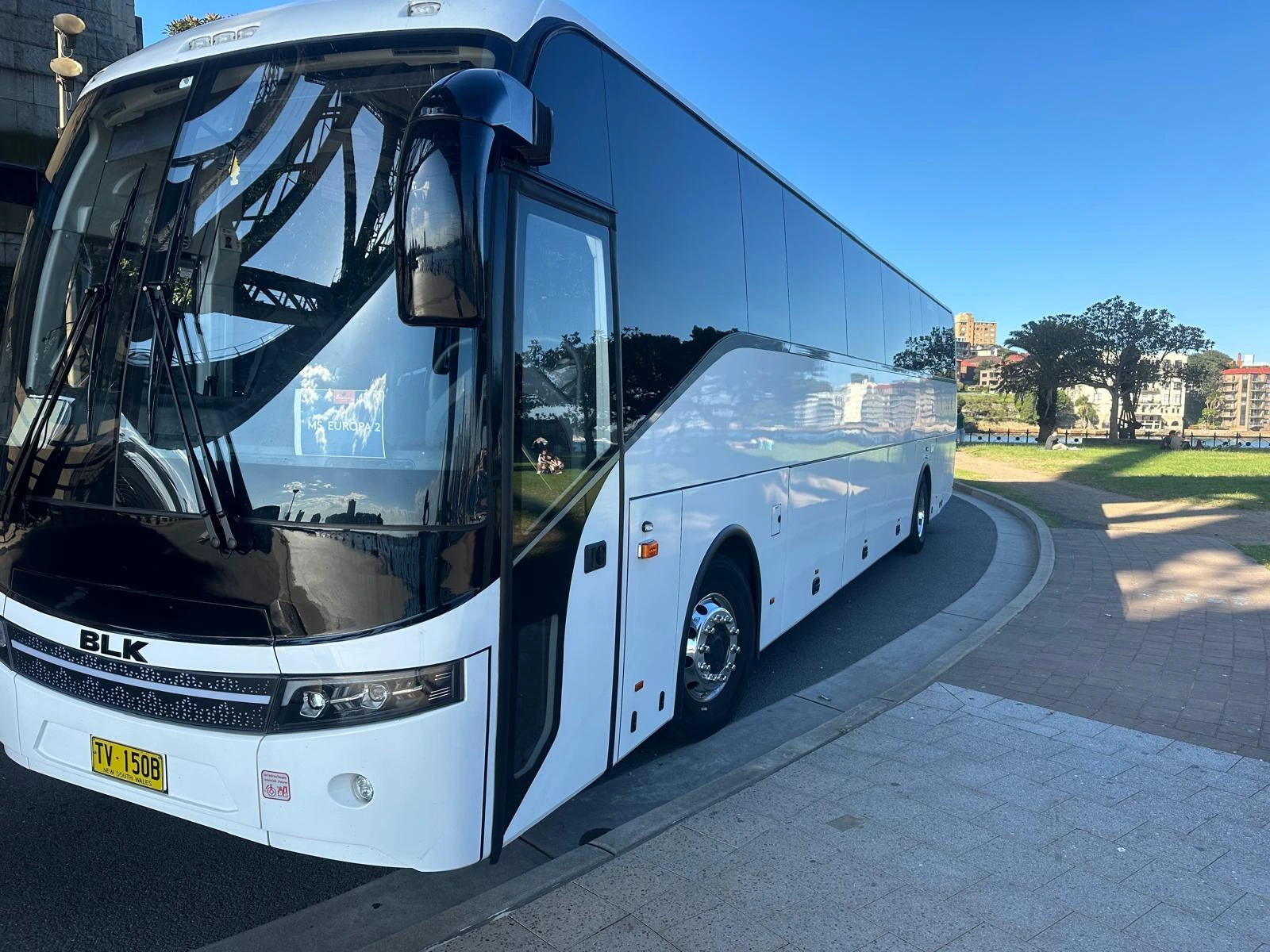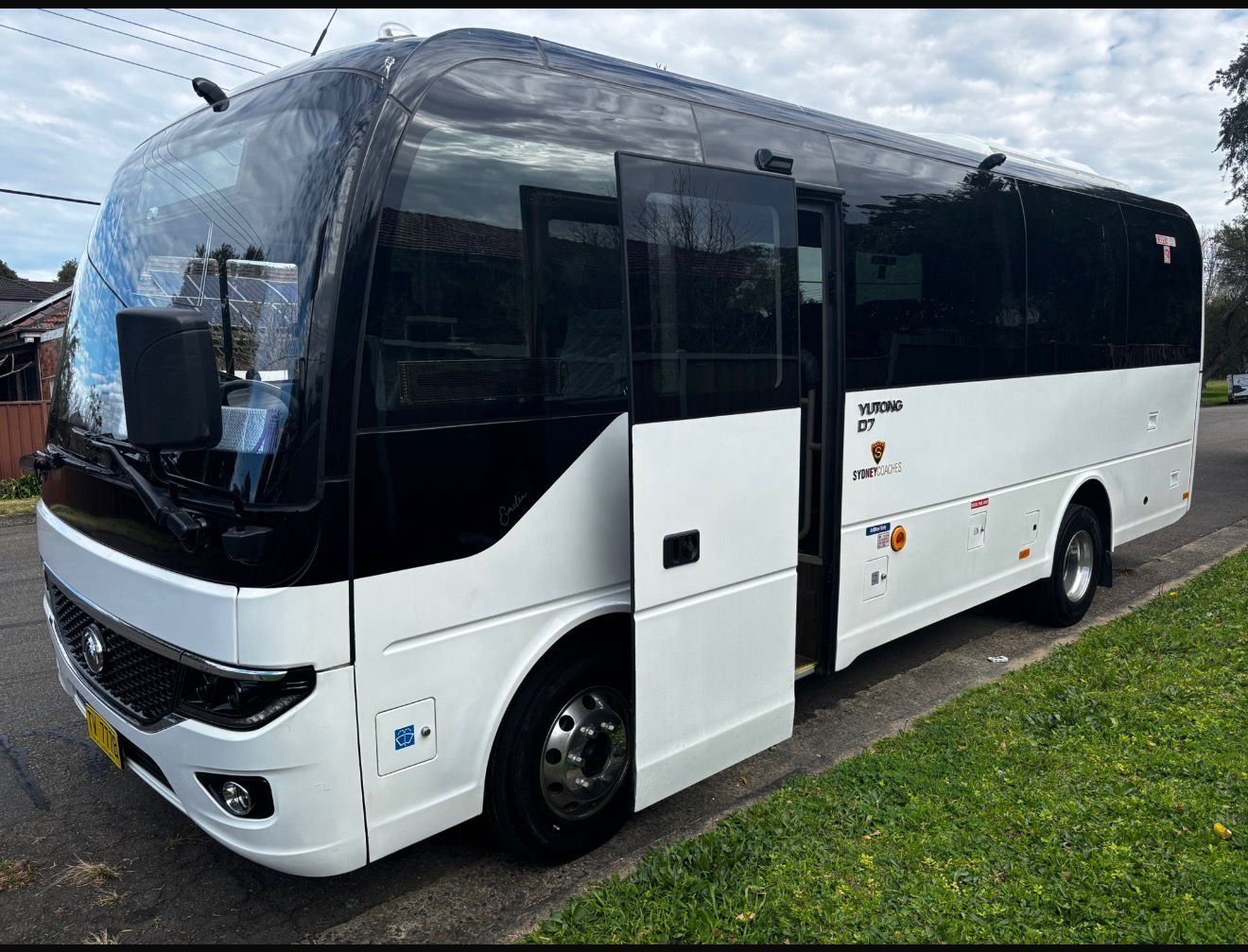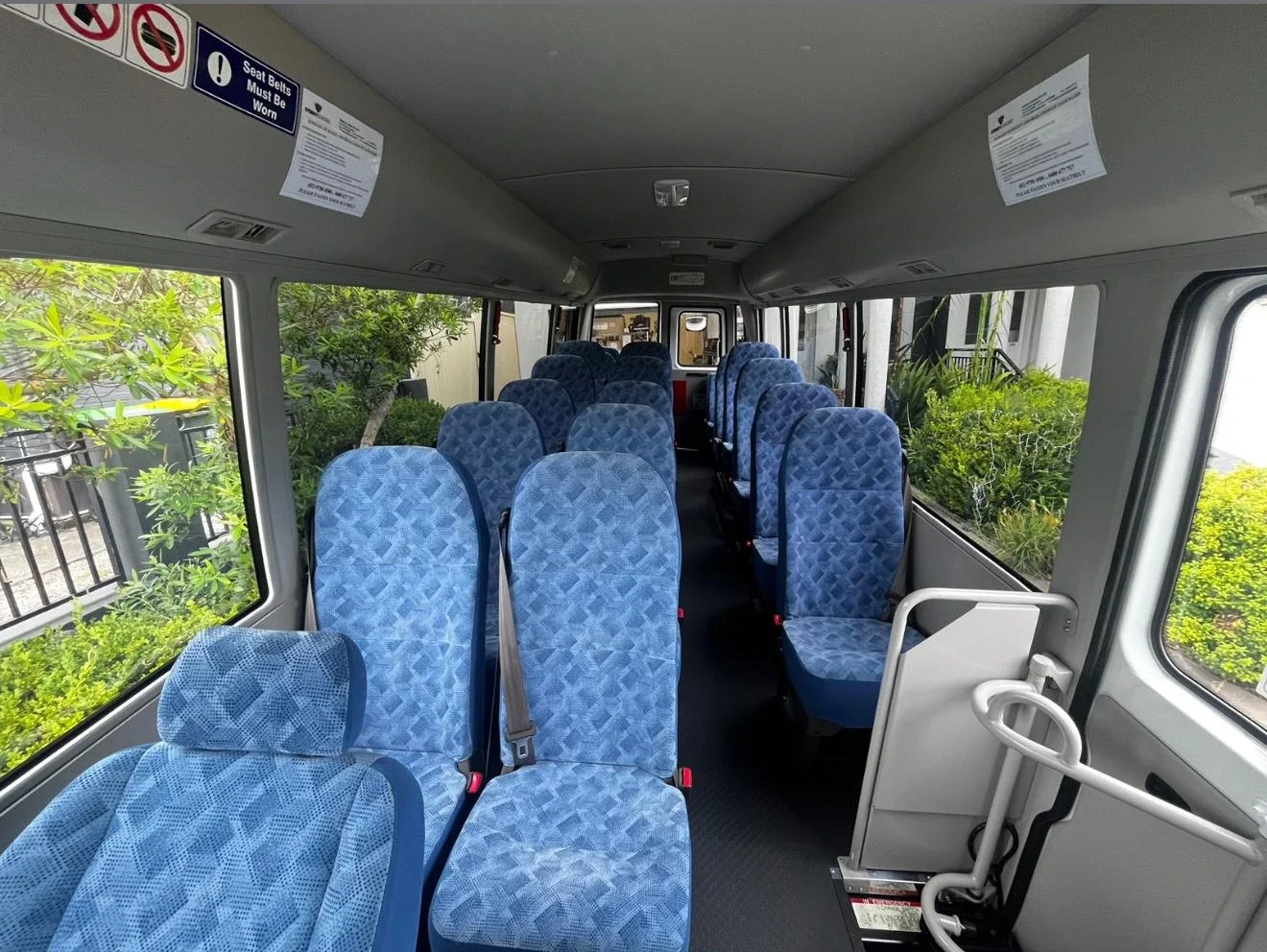
Vehicle condition is the part of a charter that buyers assume and rarely specify. Cleanliness, odour and air conditioning are the faults that turn a well-planned day into a complaint, and they are all specifiable in writing at booking. The two useful moments are the quote, where you name the vehicle and its condition requirements, and the 24 hours before travel, when the specific vehicle and driver are allocated. After that you are managing a problem rather than preventing one.
Why condition is a specification, not an assumption
Accreditation gets you further than people think here. Bus operator accreditation in NSW is assessed against depot and maintenance capacity, not only against paperwork, so an accredited operator is one the regulator has looked at as a physical maintenance operation.
What accreditation does not do is tell you the state of the specific vehicle that pulls up to your kerb on a Saturday in February. Fleets are mixed. Vehicles get substituted. A coach that was immaculate on Thursday had a school group on Friday.
So treat condition the way you treat seat count: something you state, agree and have written down, rather than something you hope for.
What to put in writing at booking
Most of the recurring complaints in this category would have been prevented by four lines on a quote. Adapt these to your job.
> Please confirm on the quote: (1) the vehicle type allocated; (2) that air conditioning is fitted and operational, with a stated position on what happens if it fails during the booking; (3) that the vehicle will be cleaned and free of odour before dispatch; (4) that if the vehicle is substituted before travel, we will be told and the same conditions apply to the replacement.
Point four is the one people leave out and the one that does the most work. A specification that does not survive a vehicle swap has not really been agreed.
While you are there, name the vehicle properly. The published fleet, seat counts and hourly rates run from a 7 seat people mover to a 57 seat touring coach, with seat counts excluding the driver, and a quote that names “a 27 seat executive midi-coach” is easier to hold anyone to than a quote that says “a bus”.
The Sydney summer problem
Air conditioning deserves its own line rather than a mention.
A February charter in Sydney is not a context in which air conditioning is a comfort feature. On a full coach, in traffic, with a group that has been standing at a venue for two hours, a partially working system is the difference between a good day and a formal complaint. It is also the fault most likely to be discovered after departure rather than at the kerb.
Three things make it manageable:
- Specify it as operational, not as fitted. Those are different claims and only one of them helps you.
- Ask what happens if it fails mid-booking. A replacement vehicle policy that covers a breakdown may not say anything about a partial fault. Ask the question at quote stage and get the answer in writing.
- Ask the driver to run it before boarding. Not at the moment 50 people step on.
Can you see the actual vehicle before the day?
This is the question buyers most want answered and the one worth being precise about.
You can see the fleet. Photographs of the vehicles show the vehicle types you are choosing between, which is enough to settle interior layout and general standard.
You can also get the specific allocation. Sydney Buses sends the driver name, mobile number and vehicle registration 24 hours before travel. That is the point at which “a coach” becomes a particular vehicle with a particular registration, and it is the natural moment to confirm anything condition-related in writing.
Whether a photograph of that specific vehicle can be provided is worth asking directly rather than assuming either way.
The ninety second check at the door
When the vehicle arrives, you have a short window before boarding in which problems are still cheap to fix. Use it deliberately rather than standing near the door counting heads.
| Check | What you are looking for | Why it matters at the kerb |
|---|---|---|
| Registration | Matches the registration sent 24 hours earlier | A mismatch means a substitution you were not told about |
| Air conditioning | Running, and cold, before anyone boards | Almost impossible to remedy once loaded |
| Interior cleanliness and odour | Floors, seat backs, bins emptied | The complaint most often raised afterwards, and the easiest to raise now |
| Belted seats | The number you specified, if you specified one | Particularly for school and youth groups |
| Luggage bay | Empty, dry and open | Determines whether your loading plan works |
| Accessible equipment | Present and working, if booked | Wheelchair-equipped vehicles with hoists are available, and hoist function is worth confirming before boarding |
Raise anything you find with the driver first and the office second. Raising it at the kerb, politely and immediately, is far more likely to produce a fix than raising it in an email on Monday.
If something is wrong on the morning
A short, ordered process beats improvisation on a footpath.
- Tell the driver, specifically. “The rear air vents are not blowing” is actionable. “The bus is hot” is not.
- Call the office. Sydney Buses publishes 02 9469 6600, with the office line and published hours of Monday to Friday 7am to 6pm and Saturday 8am to 2pm. If you are travelling outside those hours, agree an escalation contact in advance rather than discovering the gap on the day.
- Ask for the position on the vehicle. The published breakdown policy is that if a vehicle fails, a replacement is arranged and the customer is kept informed. Ask whether what you are looking at is being treated as a failure.
- Photograph it. Timestamped photos take ten seconds and settle a lot of later conversation.
- Decide about the group, not about the argument. If the day can proceed, proceed, and resolve it afterwards in writing. Standing on the kerb litigating a fault costs your group the thing they came for.
- Put it in writing that afternoon. Not as a complaint necessarily, but as a record, while the detail is accurate.
Frequently asked questions
What is checked before a charter bus is dispatched?
Ask your operator to tell you, in writing, what its pre-departure check covers and who performs it. Practices differ between companies, and a specific answer is more useful to you than a general assurance about high standards.
Can I request photos of the exact vehicle I am booking?
Ask. What is normally available is a gallery of the fleet at booking, and the specific vehicle registration 24 hours before travel. Whether a photograph of that particular vehicle can be supplied is an operator-by-operator question.
What happens if the air conditioning fails during our trip?
Ask before you book, and get the answer on the quote. A published breakdown policy usually addresses a vehicle failure and its replacement. A partial fault such as air conditioning is a different scenario, and you want the position agreed in advance rather than negotiated on the day.
Is the vehicle we booked guaranteed, or can it be substituted?
Substitution happens across the industry. The workable protection is not a promise that it will never happen, it is a written term that you will be told if it does and that your specifications carry across to the replacement.
Who do we call if there is a problem outside office hours?
Agree that in advance. Published office hours are Monday to Friday 7am to 6pm and Saturday 8am to 2pm, so an early Sunday departure needs an escalation contact arranged at booking rather than found on the morning.
Next step
If you are booking a summer charter or a job where a vehicle problem would be expensive, send the four-line specification above with your enquiry and ask for it to appear on the quote. Ask us for our accreditation number and a certificate of currency in the same email. Call 02 9469 6600 or send your date, pick-up suburb and group size and you will have a written quote back within two business hours.
Sources
- NSW Government (Transport for NSW), “Applying for bus operator accreditation”, https://www.nsw.gov.au/departments-and-agencies/transport-for-nsw/bus-operators-nsw/applying-for-bus-operator-accreditation. Accessed 7 September 2026.