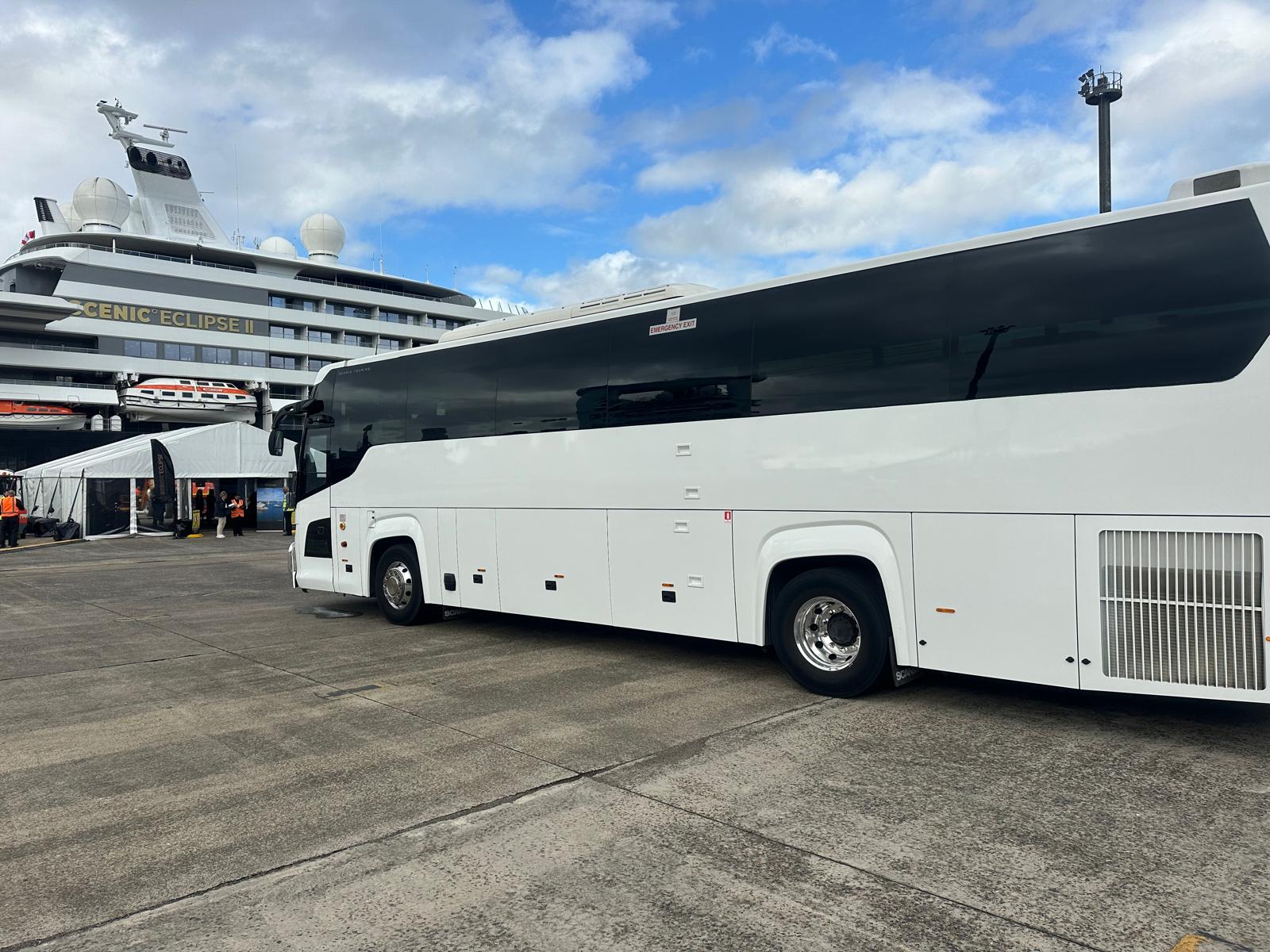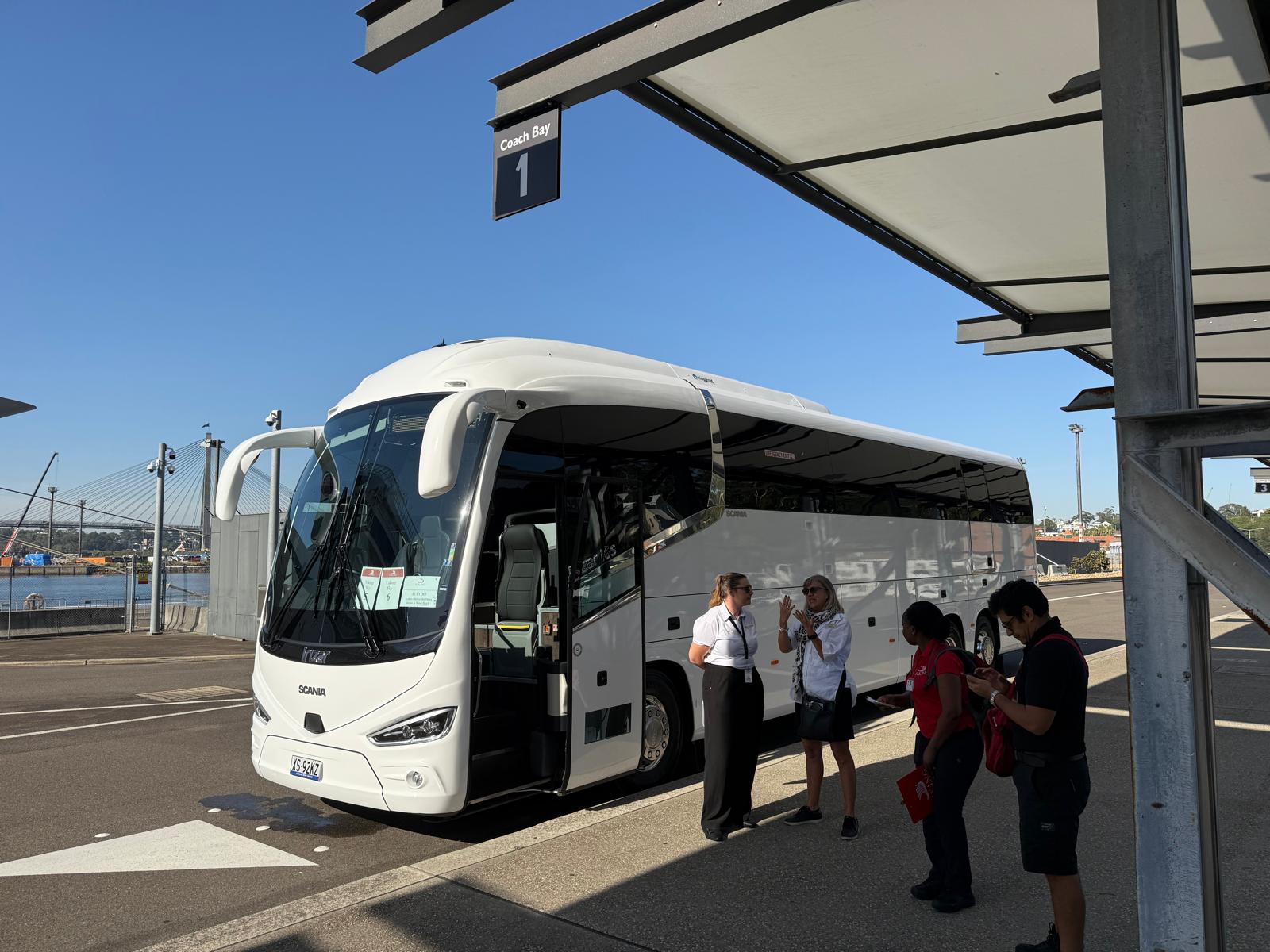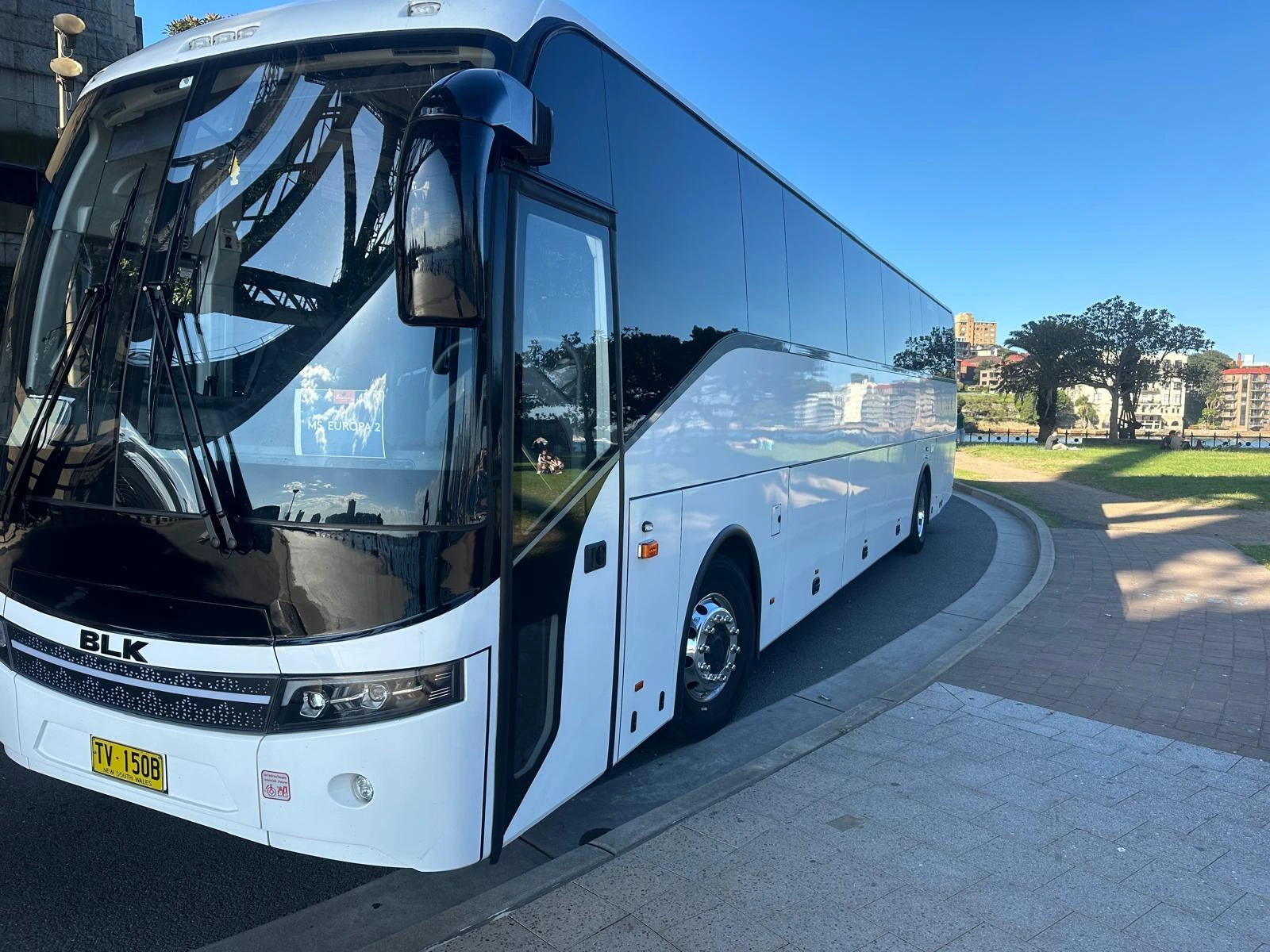
Conference luggage is three separate problems that share a word. Delegate bags travel with people and are constrained by the vehicle’s underfloor bay rather than its seat count. Exhibition materials are freight and belong on a freight movement with its own schedule and door. Bump-in and bump-out crew are a third movement again, earlier and smaller. Plan each one separately, count bags per movement rather than per delegate, and confirm capacity for the specific vehicle before you commit to a vehicle count.
Count bags per movement, not per delegate
The same 400 delegates produce completely different loads depending on which movement they are on.
On arrival day they have everything: checked cases, cabin bags, laptop bags, and whatever they bought at the airport. On the morning plenary run they have a notebook. On departure day they have everything again, plus conference material and anything an exhibitor gave them.
Build the count from the manifest, one row per movement, with separate columns for checked bags, cabin bags and oversized items. That structure makes the answer obvious: two of your movements are luggage movements and the rest are not, so only two of them need a luggage decision.
Oversized items deserve their own column because they behave differently from suitcases. Pull-up banners, sample cases, instrument cases, catering equipment and AV flight cases do not stack, and describing them in plain words is worth more to an operator than a count.
The constraint is the bay, not the seat count
A 48-seat coach seats 48 people. It does not automatically carry 48 checked cases plus 48 cabin bags, and the seat count tells you nothing about whether it will.
Underfloor capacity varies by vehicle and by how a particular vehicle is built, so the number to plan against is the one the operator confirms for the vehicle they are actually assigning, not a figure taken from a comparison article. Ask for it in writing, per vehicle, at the quoting stage. That single question prevents most arrival-day failures.
Two practical consequences follow whatever the number turns out to be.
A vehicle sized to the headcount can be undersized for the luggage. If the bay fills first, the choices are a larger vehicle, a second vehicle, or a separate movement for the bags, and all three are cheaper decided in advance than discovered at the airport.
Loading takes real time. A full coach of delegates with checked cases has a materially longer dwell than the same coach on a plenary run, and that dwell has to sit in the schedule. On a tight arrival window, an unplanned twenty minutes of loading is the difference between arriving before a session and arriving during it.
The Sydney arrival-day squeeze
The scenario that catches Sydney conference planners is specific and common.
Delegates land at T1 International with checked cases. Sydney Airport publishes a meeting point at T1 on the Arrivals level between exits A and B, and collection happens in a dedicated ground transport zone rather than at the kerb, so the group assembles with all its bags before the vehicle loads. The conference opens that afternoon. Hotel check-in has not opened yet.
That leaves the bags with nowhere obvious to go, and three ways to solve it.
Bags to the hotel, delegates to the venue. A separate movement takes the luggage to the hotels for storage while delegates go straight to ICC Sydney. Cleanest for delegates, and it needs both the hotel storage arrangement and the operator’s willingness to run a bags-only movement confirmed first.
Everything to the venue. Delegates and bags arrive together at ICC Sydney, where coach drop-off is at Iron Wharf Place off Darling Drive plus Zollner Circuit. This only works if the venue has agreed a secure bag store for the volume you are bringing, which is a conversation with your dedicated ICC Sydney Event Manager rather than an assumption.
Delayed arrival transfer. Hold the group at the airport or route via the hotel once check-in opens. Cheapest to arrange, worst for delegate experience, and it consumes the vehicle’s booked hours.
There is no universally correct answer, but there is a universally wrong one: leaving it until the day. A coach cannot wait while bags are sorted out. Under Road Rules 2014 r183 a charter coach may stop in a bus zone to set down or pick up passengers, not to wait, and central Sydney kerbs are not a staging area.
Exhibition materials are freight, not luggage
Bump-in is a different operation from delegate transport and it should be planned as one.
Exhibition stands, booth hardware, printed collateral in volume, product samples and AV equipment move on a freight schedule, into a loading dock, at a time allocated by the venue. Passenger vehicles are designed and booked to carry passengers and their bags. Loading a stand into a coach bay tends to solve a small problem by creating a larger one, and it is worth asking the operator directly what they will and will not carry rather than assuming either way.
What does belong on the passenger plan is the crew. Bump-in crew travel earlier than delegates, in smaller numbers, often to a different door, and frequently at hours outside the delegate programme. Put those movements on the manifest as their own rows with the category marked, or they will be forgotten until the week of the event. Bump-out is the same movement in reverse and is almost always later than anyone plans for, which brings after-hours loading into the quote.
The four-question test for any movement
Run this on each movement that involves anything more than a notebook.
- What is actually travelling? People, people plus checked bags, or people plus items that are not bags. If the third, describe the items rather than counting them.
- Does the bay fill before the seats? Ask the operator to confirm capacity for the assigned vehicle. If the answer is yes, the vehicle count is set by luggage, not headcount.
- Does the schedule allow for loading? Add the loading dwell to the movement, at both ends. If the movement has a hard arrival deadline, add it twice.
- Is there somewhere for the bags at the other end? Hotel storage, venue bag store, or the room itself. If none of the three is confirmed, the movement is not planned yet.
Any movement that fails question two or four needs a second vehicle or a separate bags movement, and both are worth pricing before you choose.
What to put in the enquiry
An accurate luggage plan starts with an accurate description. Send this alongside the manifest:
> Movement: which leg, which date, which time. > Pax: number travelling on that movement. > Checked bags: total, plus anything oversized described in words. > Cabin bags: total. > Non-bag items: what they are, roughly how large, and whether they are fragile. > At the other end: where the bags go on arrival, and whether that is confirmed. > Question for the operator: what does the assigned vehicle carry, and does the movement need a second vehicle or a bags-only run?
Ask that last question explicitly. It moves capacity from an assumption you are making to a figure the operator has confirmed in writing.
Corporate bus hire in Sydney covers conference work, group airport transfers in Sydney covers the arrival and departure legs, and the vehicles and their seat counts is where to confirm what is being assigned.
Frequently asked questions
Where does luggage go on arrival day?
Into the vehicle’s underfloor bay if it fits, and into a confirmed storage arrangement at the other end. Since hotel check-in often has not opened when the first delegates arrive, decide in advance whether bags go to the hotel separately, to a venue bag store, or stay with delegates.
How much luggage fits under a coach?
Ask the operator for the figure for the specific vehicle being assigned, in writing, at quoting stage. It varies by vehicle and by build, and planning against a generic number is how a group ends up with cases in the aisle.
Do exhibition materials need a separate vehicle?
Stands, booth hardware and bulk collateral are freight and belong on a freight movement into the venue’s loading dock at an allocated time. Confirm with the operator what a passenger vehicle will carry before assuming a coach bay can absorb it.
What about bump-in and bump-out crew?
Separate movements on the same manifest, tagged by category. They run earlier and later than the delegate programme, and bump-out in particular tends to finish after hours, which affects both driver availability and the quote.
Can one vehicle carry the group and all the bags?
Sometimes. The test is whether the bay fills before the seats, which is a question about that specific vehicle. If it does, you need a larger vehicle, a second vehicle, or a bags-only movement, and it costs far less to decide that at quoting stage.
Next step
Send the movement list with bag counts against each leg and we will tell you what each assigned vehicle carries, where a second vehicle is genuinely needed, and how the arrival-day gap can be covered. Written quotes come back within two business hours.
To plan an arrival day around a venue bump-in, call our operations team on 02 9469 6600 and book a shuttle plan review.
Sources
- Sydney Airport, “Pick-up”, https://www.sydneyairport.com.au/pickup. Accessed 7 September 2026.
- ICC Sydney, “Getting here”, https://iccsydney.com.au/visitors/getting-here/. Accessed 7 September 2026.
- NSW Legislation, “Road Rules 2014”, https://legislation.nsw.gov.au/view/html/inforce/current/sl-2014-0758. Accessed 7 September 2026.